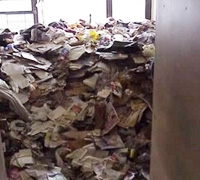
 Hoarding disorder finally became officially recognized as a form of mental illness in 2013. It’s an insidious problem that takes many different forms and becomes more difficult to treat the longer it goes unchecked. Like an anorexic looking in the mirror who sees an obese person, most hoarders suffer from distorted thinking about the chaos around them—they see some semblance of order—and the relative valueless and useless nature of their stuff—they see indispensable treasures. Hoarders over-identify with things as if the things are an actual part of them. But we are not our stuff. You can’t take it with you. What do you want your life legacy to be? Welcome to Hoarders Anonymous. Terrence Shulman has been a certified social worker and addictions therapist since 1997 and has worked effectively with hoarding issues whether they are linked to compulsive shopping/spending, shoplifting/stealing, or to hoarding/cluttering. He has extensive experience helping recovering hoarders, and has been featured as an expert on The Today Show, TLC’s “Buried Alive”, 20/20, and The Anderson Cooper Show, to mention a few. The Shulman Center can help you beat your hoarding addiction and give you the tools you need to live the life you want to live. Get help now… before it’s too late!Lorem ipsum dolor sit amet, consectetur adipiscing elit. Ut elit tellus, luctus nec ullamcorper mattis, pulvinar dapibus leo.